
Why Soft Landing Wellness Was Created: A Different Approach to Healing
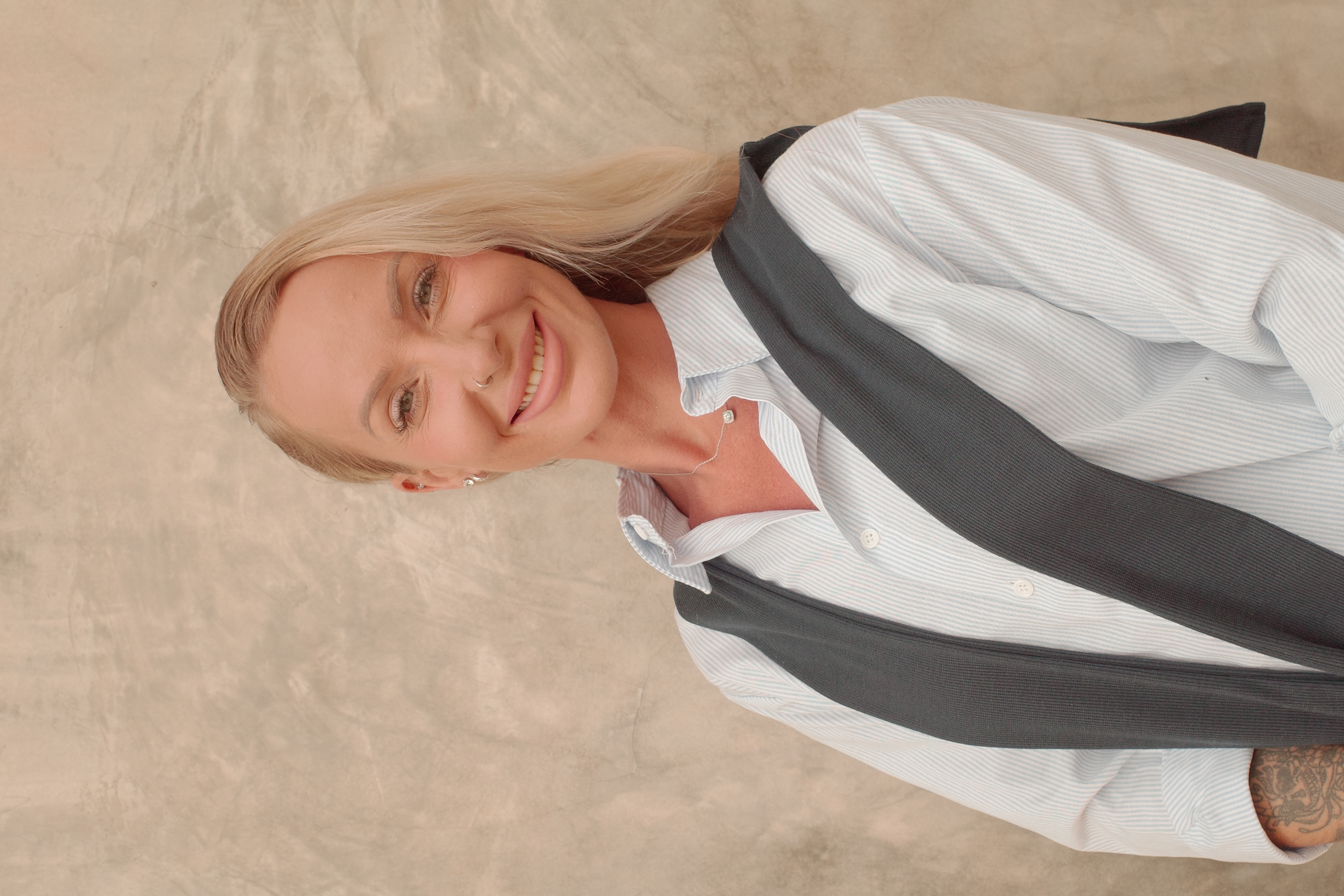

This is a slightly more personal post than I would normally write.
As I launch Soft Landing Wellness, it felt important to share why I created it and the journey that brought me here.
If even one person feels less alone after reading this, it will have been worth writing.
There was a time in my life when I genuinely didn't know if I would ever feel well again.
I was struggling with addiction, battling my mental health, and watching my life unravel around me. My struggles weren't hidden. Everyone around me could see them, and many had reached a point where they no longer knew how to help.
Relationships were strained, trust had been broken, and there were times when it felt as though everyone had given up hope on me.
The truth is, I had already given up hope on myself. I couldn't imagine a future that looked any different from the life I was living, and I no longer believed there was a solution. I had accepted that this was simply my reality.
If someone had told me then that one day I would create a wellness company dedicated to helping others heal, I probably wouldn't have believed them.
Yet here I am.
Soft Landing Wellness wasn't created from a business plan. It was created from lived experience.
Like many people seeking answers, I initially turned to psychology. Learning about thoughts, behaviours, emotions, trauma, and the way our minds work helped me understand myself in ways I never had before. It gave me language for experiences that had previously felt chaotic and overwhelming.
Psychology was an important part of my recovery journey, and it remains something I deeply value.
But over time, I realised that understanding my struggles wasn't always enough to overcome them.
I could explain why I felt the way I did, but I still needed practical ways to manage stress, regulate my emotions, reconnect with my body, and create a life that felt meaningful and sustainable.
That is where holistic practices began to change my life.
Yoga taught me how to slow down and become present.
Breathwork showed me that I had far more influence over my emotional state than I realised.
Meditation helped me find moments of peace amidst the noise and chaos.
As my recovery progressed, I became increasingly fascinated by the connection between the mind and body. I discovered TRE (Tension & Trauma Releasing Exercises), somatic practices, and nervous system regulation work, and for the first time I began to understand that stress, trauma, and emotional pain are not only held in our minds—they can also be carried within the body.
Learning how to work with my nervous system rather than constantly fighting against it was transformative.
I also began exploring the role that nutrition, gut health, hormone health, movement, sleep, and lifestyle play in mental and emotional wellbeing.
The more I learned, the more I realised that healing is rarely about one thing.
Many of the symptoms people experience - anxiety, low mood, fatigue, poor sleep, burnout, brain fog, irritability, overwhelm, and even addiction - are often influenced by multiple interconnected factors.
Our hormones influence our mood, energy, and resilience.
Our gut health impacts far more than digestion and plays a significant role in overall wellbeing.
Our nervous system influences how safe, connected, and capable we feel in the world.
When one area is struggling, it often affects everything else.
None of these practices "fixed" me.
Instead, they gave me tools.
Tools that I continue to use to this day.
Life still happens. Stress still happens. Challenges still arise. The difference now is that I have a toolkit that helps me navigate those challenges with greater awareness, resilience, and self-compassion.
That experience completely changed the way I view healing.
Healing Is About More Than Symptom Management
One of the greatest lessons I have learned through both personal experience and professional work is that we are not just a diagnosis, a set of symptoms, or a problem to be solved.
We are whole human beings.
Our physical health affects our mental health.
Our thoughts affect our bodies.
Our relationships affect our wellbeing.
Our sleep, nutrition, hormones, gut health, movement, purpose, environment, and nervous system all play a role in how we feel.
This doesn't mean traditional approaches aren't important. Therapy, psychology, psychiatry, and medical care can be life-changing and, in many cases, lifesaving.
But I believe true healing often requires us to look beyond symptoms and begin supporting the whole person.

Why "Soft Landing"?
The name Soft Landing Wellness came from reflecting on my own journey.
There were many times when I felt like I was falling.
Falling through addiction.
Falling through poor mental health.
Falling through self-doubt, shame, and uncertainty about who I was and where I was going.
What helped me wasn't judgement, criticism, or being told to simply try harder.
What helped was finding safe people, supportive communities, practical tools, and spaces where I could begin rebuilding my life one step at a time.
I wanted to create something that reflected that experience.
A place where people can land softly when life feels hard.
A place where healing isn't rushed.
A place where people feel seen, heard, and supported.
A place that recognises that every person's journey is different.
The Vision Behind Soft Landing Wellness

Soft Landing Wellness brings together everything that has helped me personally and everything I have learned professionally.
It combines psychology, recovery, yoga, mindfulness, breathwork, TRE, somatic practices, nervous system regulation, hormone health, gut health, nutrition, coaching, and wellbeing education.
Not because there is one perfect solution, but because healing often requires multiple approaches working together.
My goal is simple: to help people build sustainable wellbeing from the inside out.
Whether someone is navigating addiction recovery, mental health challenges, burnout, chronic stress, grief, hormonal imbalances, or simply wanting to live a healthier and more balanced life, I want them to know there is hope.
More importantly, I want them to know that healing is possible.
Moving Forward
This article marks the beginning of the Soft Landing Wellness journey.
Through future articles, workshops, coaching, retreats, and wellbeing programmes, I'll be sharing practical tools, personal reflections, evidence-informed insights, and lessons I've learned from both my own recovery and my work supporting others.
If there's one thing my journey has taught me, it's this:
Healing doesn't happen all at once.
It happens through small daily choices, consistent support, self-compassion, and the willingness to keep showing up for yourself, even on the difficult days.
Today, I still use many of the same practices that supported my recovery. Not because I am striving for perfection, but because wellbeing is something we nurture throughout our lives.
Soft Landing Wellness exists because I know what it feels like to struggle, and I know what it feels like to find hope again.
And sometimes, what we need most is simply a softer place to land.



Comments