

Online Burnout Recovery Support
Structured, Trauma-Informed Help for Nervous System Exhaustion
Burnout is not a productivity problem. It is a nervous system problem. And recovering from it requires more than rest, a holiday, or a change of scenery.
Soft Landing Wellness provides structured, non-clinical support for individuals navigating burnout and nervous system exhaustion. Delivered entirely online, our programmes combine trauma-informed somatic practice, breathwork, movement, and consistent human contact to help you rebuild stability from the ground up.


What Burnout Actually
Does to Your Nervous System
Most people arrive at burnout after a long period of running on empty. The warning signs were there, but the pressure to keep going was louder.
By the time burnout takes hold, it is rarely just tiredness. The nervous system has been in a prolonged state of stress activation, and it has started to shut down in response. What follows is not laziness or weakness. It is the body doing exactly what it is designed to do when pushed beyond its limits for too long.
Common experiences include:
-
Profound exhaustion that does not improve with sleep or time off
-
Emotional numbness, flatness, or a sense of detachment from your own life
-
Difficulty concentrating, making decisions, or retaining information
-
Heightened anxiety, irritability, or emotional volatility
-
Physical symptoms including tension, fatigue, disrupted sleep, and changes in appetite
-
A loss of motivation or meaning, even in things that previously mattered
-
The feeling of going through the motions without being present
If this sounds familiar, you are not failing at recovery. You may simply not yet have the right kind of support.


Why Rest Alone Is Often Not Enough
The conventional advice for burnout is to stop, rest, and recover. For many people, this helps to a point. But nervous system dysregulation does not resolve through passive rest alone.
Without structured support, the nervous system can remain stuck in a state of exhaustion or hypervigilance long after the original stressors have been removed. Many people find that after weeks or months of time off, they still do not feel like themselves. The capacity to engage, feel, and function has not returned in the way they expected.
This is where body-based, trauma-informed support makes a meaningful difference. Practices such as somatic movement, breathwork, TRE, and trauma-informed yoga work directly with the nervous system rather than around it, supporting the kind of regulation that thinking and resting alone cannot always reach.

How Soft Landing Supports Burnout Recovery
Soft Landing is not therapy. We do not diagnose, treat, or provide clinical intervention. What we offer is structured, grounded, evidence-informed support that works alongside any existing clinical care you may have.
Our approach draws on:

Trauma-Informed Somatic Practice
Body-based practices that support nervous system regulation without pressure or performance. You do not need any previous experience of yoga, movement, or wellness.
.png)
Yoga
Nidra
A deeply restorative practice that supports nervous system recovery without requiring effort or performance.
Particularly useful in the earlier stages of burnout when active engagement feels too much.

Breathwork and Meditation
Accessible, evidence-informed techniques for calming the stress response, improving sleep, and rebuilding a sense of safety in the body.

Recovery &
Life Coaching
Practical, structured support for rebuilding routine, managing energy, setting boundaries, and planning a sustainable return to daily life.

TRE-Informed
Practices
Tension and Trauma Releasing Exercises, used gently to support the body in discharging stored stress and returning to a more regulated baseline.

Psychoeducation & Workshops
Understanding what burnout does to the body and mind is itself part of recovery. Our workshops cover topics including nervous system education, sleep hygiene, nutrition, stress management, and sustainable routine-building.

“Feelings come and go like clouds in a windy sky. Conscious breathing is my anchor.”
Thích Nhất Hạnh

Levels of Support
Soft Landing operates across three tiers. All are delivered online. The right level is identified during a short discovery call based on where you are right now, not where you think you should be.
Tier 1
Stabilisation & Grounding
Low-intensity group support
• Weekly live online group sessions • Access to grounding, mindfulness & regulation practices • Access to guided, evidence-based trauma-informed somatic practices • Nervous system education resources
Focus: Safety, containment,
emotional regulation

Investment:
£120–£160 per month
Tier 2
Regulation & Rebuilding
Moderate support with individual guidance
• Weekly 1:1 sessions • 2 live group sessions per week • Trauma-informed yoga therapy, TRE, movement & breathwork • Recovery and life-coaching foundations • Access to holistic workshops on wellbeing topics (e.g. sleep hygiene, nutrition, routine, stress management)
Focus: Safety, containment,
emotional regulation

Investment:
£320–£420 per month
Tier 3
Integrated Support
High-touch, limited-capacity support
• Two 1:1 sessions per week (personalised support) • Multiple live group regulation sessions • Integrated somatic movement, embodiment & nervous system retraining • Personalised recovery, routine & lifestyle planning • Access to the Soft Landing Wellness Structured Workbook (a comprehensive guided programme with 500+ evidence-informed exercises for regulation, reflection, and rebuilding) • Priority access, flexible scheduling & enhanced care coordination
Focus: Deep regulation, identity rebuilding, transition to independence

Investment:
£750–£1,100 per month
Who This Is For
Soft Landing is designed for adults who are experiencing burnout, nervous system exhaustion, or emotional overwhelm, and who are looking for structured support that is calm, ethical, and free from pressure.
We are particularly suited to people who:
Have tried rest but still do not feel recovered
Are working alongside a therapist or GP and want complementary support
Feel overwhelmed by high-intensity or highly spiritualised wellness spaces
Want practical, evidence-informed tools without pressure to perform or progress quickly
Need consistency, clear boundaries, and emotional safety in their support
We are not the right fit for everyone. If you are in crisis or require clinical intervention, we will always support you in finding the appropriate care.

Who You Will Be Working With
Soft Landing Wellness was founded by Melanie and Keith, two practitioners who bring both professional training and lived experience of recovery to everything they do. Both are in recovery themselves, and that understanding sits at the heart of how Soft Landing was built.
Meet Melanie
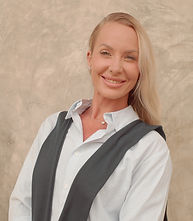
Melanie holds qualifications across yoga therapy, meditation, breathwork, nutrition, and sound healing. Her approach is deeply client-focused, shaped by years of direct experience supporting people through recovery and rebuilding. She knows what it feels like to need support that is calm, consistent, and free from pressure, and she built this service to offer exactly that.

Keith brings qualifications in yoga, meditation, breathwork, Pilates, and martial arts, alongside a natural ability to make movement and regulation practices genuinely accessible, whatever someone's starting point. He has spent years helping people reconnect with their physical, mental, and emotional wellbeing, and he approaches every client with the same warmth, patience, and grounded encouragement he would have wanted for himself.
Meet Keith

A Note on Scope
Soft Landing Wellness is not a clinical or medical service. We do not provide therapy, diagnose conditions, or offer crisis support. We operate within clearly defined scope-of-practice boundaries and maintain ethical referral pathways to clinical services where needed.
Our support is designed to complement your existing care, not to replace it.
If you are currently under the care of a GP, psychiatrist, or therapist, we encourage you to let them know you are exploring additional support. We are happy to liaise with your clinical team where appropriate.


Frequently Asked Questions

